
-
What is keto? The Powerful “Fat Burn”

The ketogenic diet, also known as the keto diet, is a low-carb diet that promises fast weight loss. They based the diet on a biochemical principle that regulates the functioning of our body: ketosis.
A drastic diet that must be observed and dictated only by specialized doctors. It is not a do-it-yourself diet precisely because it modifies the processes of our body. They usually carried the diet out for 21 days, and a period of rest follows. Let us find out everything about the keto diet, how it works, and what the contraindications are.
Keto diet: what is it?
The keto diet is a diet that provides a very low intake of carbohydrates in favor of high content of proteins and fats. The reduction of carbohydrates for the benefit of consuming other nutrients aims to force the body to use fat as energy to help the body lose weight. The ketogenic name derives this diet reduces the consumption of carbohydrates, leading to the formation of the so-called “ketone bodies.”
As expected, the keto diet was born as a food plan to reduce epileptic seizures in those who did not respond to drug therapy, especially in children. Low-carb diets were used around the 1920s for this very purpose.
From the 1960s onwards, they have used these diets to treat obesity and the presence of diseases such as diabetes, acne, and polycystic ovary syndrome. They observed that they could have possible beneficial effects on seizures, body fat, blood sugar, cholesterol, and hunger.
Therefore, the keto diet has increasingly established itself as a diet for losing weight, combined with healthy physical activity, within a balanced lifestyle, and, where recommended by the doctor with the intake of food supplements.
Why is the ketogenic diet called the 21-daydiet?
The ketogenic diet is a diet that requires very careful control and monitoring. That is why the ketogenic diet should not last beyond 21 days—the body well-tolerated for three weeks. The ketogenic diet should not last beyond 30 days and be as varied as possible.
Types of the keto diet
There is no single type of keto diet. Still, there can be various types with different proportions of nutrients, a cyclical carbohydrate intake, a restriction of calories, and specific formulas designed for vegans and vegetarians. The main variations of the keto diet are:
- Standard type: this is the most classic and most severe keto diet;
- Modified type: provides for a reduction in carbohydrate intake, but less drastic;
- Cyclical type: a variant that provides for a cyclical increase in carbohydrate intake once or twice a week, designed for those who find it difficult to respect a diet with such a low carbohydrate content, every day and for prolonged periods;
- Targeted typology: a food plan designed for those who play sports and allows you to add the consumption of carbohydrates during training days;
- Type with high protein content: often followed by those who practice bodybuilding or the elderly;• Vegan or vegetarian type: these variants replace foods of animal origin with foods such as nuts, seeds, fruits and vegetables, healthy fats, and fermented foods;
- Dirty type: in which the proportions between nutrients are the same as the classic one, but instead of healthy fats, unhealthy fats are consumed, in which drinks and “fast food” foods can also be consumed;
- Lazy type: so-called because it only provides a rigid calculation of the carbohydrates consumed every day, which must not exceed 20 g, while leaving free the intake of fats and proteins.
Ketogenic diet: what to eat
The ketogenic diet is a low calorie, low carb, zero sugar, high protein, and lipid diet.
What do we eat during our initial three weeks of dieting?
A guideline of the correct ketogenic diet provides an energy breakdown of:
- 10% from carbohydrate
- 15-25% protein
- 70% or more from fat
It is advisable to include supplements in the diet to make up for the lack of mineral salts, omega three, and vitamins.
Now let us see what to eat in quantity, what to eat less and what to give up.
What to eat in quantity
In large quantities, you can eat all animal proteins such as:
- Meat, eggs, and fish.
- Cheeses
- Seasoning fats and oils
To include vegetables such as salad, broccoli, zucchini, spinach, thistles, cauliflower, fennel, flowers, radicchio, celery, green peppers, radishes, turnip greens, ribs.
What to eat in moderate quantities
You can eat them but in limited quantities and recommended by the doctor:
Vegetables such as tomatoes, squash, artichokes, green beans, red and yellow peppers, asparagus, leeks, and onions
Dried fruit, to be consumed, however, in small quantities.
Fresh fruit only three times a week.
What not to eat
We must avoid all cereals and derivatives such as:
- Bread
- Bread sticks
- Cracker
- Desserts
- Pasta
Also to be avoided: legumes, potatoes, fruit, sweet drinks, alcohol, and foods that may include hidden sugars such as fruit juices, which contain 90% added sugar and only 10% pulp.
Attention also to the sugars contained in candies, chewing gum, drugs, supplements … just the accidental intake of sugars and ketosis stops: the body would return to function as before, and the effort made up to then vanish.
An example diet for a week
Before starting such a diet, we should contact a professional. It can be a very dangerous diet for our body if not carried out under strict medical supervision.
With this diet, they estimate the loss of 3 kilos per week.
A ketogenic diet usually consists of:
Breakfast:
- two hard-boiled eggs with a side of sautéed vegetables or a slice of toast with cheese and avocado
Lunch:
- a turkey burger with cheese and avocado side dish or salad with turkey, hard-boiled eggs, rocket, avocado, gorgonzola, and croutons (30 grams)
Snack:
- bananas, pineapple, apples, persimmons, and mangoes in moderation or cheese
Dinner:
- pork chops with sautéed green beans or grilled salmon with spinach
Ketogenic diet and motor activity
To speed up and improve the process implemented with a low-calorie diet, it is always advisable to continue with adequate physical activity. A professional must also recommend physical exercise to achieve excellent results without weighing on a body that is already undergoing major changes.
We recommend it to train 3 times a week for at least 30-40 minutes: long brisk walks, outdoor jogging, yoga, or swimming are sufficient.
We should not forget that doing sports during a period of severe fatigue, such as the beginning of a diet, helps because it frees the mind and reduces stress.
-
Should You Count Calories On The Keto Diet?
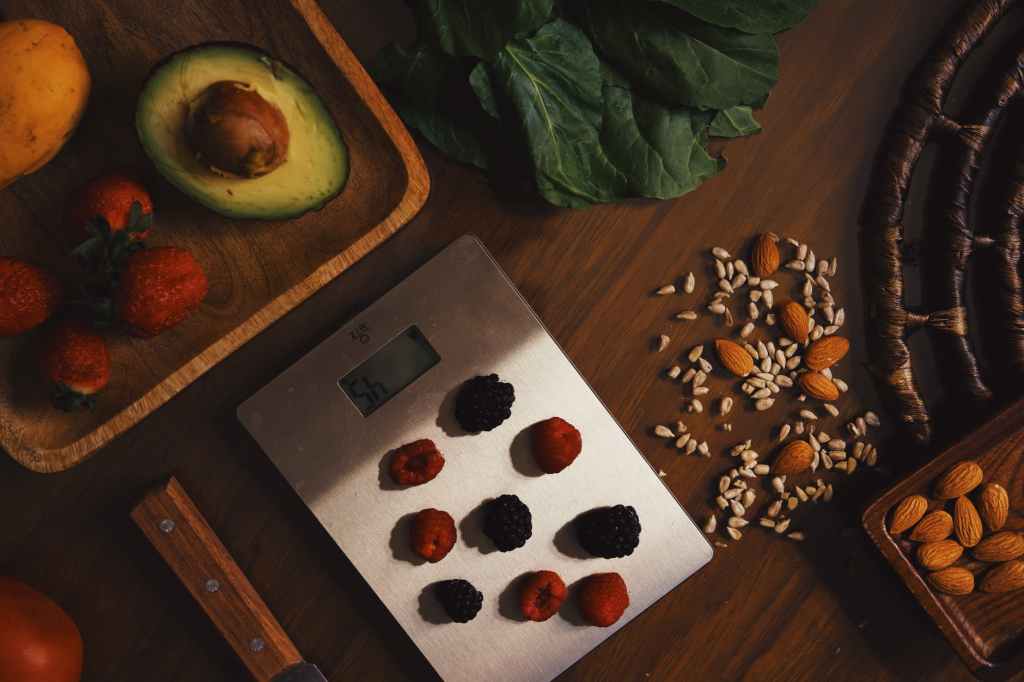
Calories are not always the most essential part of a weight loss diet. Although calorie intake is important, the number of calories you consume and the calories you burn through exercise does not have to be your only focus when it comes to weight loss. Apart from this, if you’ve been on a keto diet, you’ve probably heard that calorie counting isn’t necessary and that restricting your daily carb consumption to 20 grams, moderate protein, and high fat will be adequate to lose weight. This can be confusing and it’s a point of debate among keto specialists.
While there are various ways to follow a keto diet, one thing has remained consistent throughout the research. The keto diet is beneficial because its nutrient-packed and whole-food-based. The most significant way to improve general health and longevity is to eat fresh, single-ingredient and low-carbohydrate foods. You should avoid packaged, refined and/or processed foods whether its keto foods or non keto foods.
Calorie? What is it?
A calorie is a measure of energy that your body requires to carry out a variety of tasks. These include voluntary movements such as walking, running, jumping. In addition, these also include involuntary motions such as breathing, blood circulation and maintaining a proper body temperature.
To keep those involuntary processes functioning, your body requires a certain number of calories. Your basal metabolic rate (BMR) represent a certain number of calories your body requires to keep functioning . Many factors, including your age, gender, body composition and heredity influence your BMR. Physical exercise, such as walking, requires additional calories. The more active you are, the more calories you will need.
Should You Count Calories?
If you’re on the keto diet for weight loss, keeping track of calories may be necessary. In addition, keeping track of carbs, fat and protein grams may also be necessary. While the keto diet has no caloric restrictions, it’s possible to over intake calories. You must be cautious if you enjoy keto delicacies that replicate your favorite carb-heavy recipes. Regardless of your macro-nutrient balance, a calorie surplus could cause you to gain weight while on the keto diet.
If you eat the recommended amount of carbohydrate grams, several less than healthy keto-friendly items are incredibly dense. Items such as peanut butter or other nuts and seeds may quickly add thousands of calories to your daily total.
Some researchers believe that the keto diet can accelerate your metabolism and help you burn more calories in a day. Weight gain will be continuous if more calories are consume than they are burned. Some studies claim that the additional burn is only about 250 calories. Other studies claim that the difference in metabolic rate is minimal.
Can You Naturally Eat The Right Amount Of Calories On A Keto Diet?
While following a keto diet, it is possible to stay well within the required calorie ranges. Keto-friendly foods aren’t all high in calories. The high-fat, low-carb diet should leave you feeling satisfied without causing you to overeat calories. If the variation of the keto diet includes lots of low-carbohydrate veggies and plenty of protein, you should feel satisfied.
Keto diets that are followed for a reason other than weight loss at a healthy rate may need calories tracked. A healthy weekly weight loss is no more than the loss of one to two pound per week. There’s no need to count calories as long as you’re tracking your macro-nutrient intake and feeling healthy. However, if you’re losing too much or too little weight, it’s necessary to double-check your calorie intake. Consuming the proper foods and the right amount of food to maintain normal metabolic function is the goal.
Calorie-Counting Is A Bad Diet Strategy.
Calorie counting has the drawback of requiring a lot of work; even in its simplified, internet-calculator form. Most people can’t accurately calculate how much they eat. Furthermore, for most individuals, calorie counting necessitates being hungry all of the time, which is highly uncomfortable. It’s simply unrealistic to expect most people to use calorie counting or restriction on their primary weight-loss technique.
In general, Keto doesn’t require or encourage calorie counting. Therefore, if you’re looking for a quick response, most individuals don’t need to count calories to lose weight on Keto. In fact, most people shouldn’t. Keto diets achieve the same goal (energy balance management) less painfully than a diet that requires the counting of calories.
The Various Aspects of Keto Diets
Keto diets include various aspects that allow people to regulate their energy balance with minimal discomfort and effort. Consider the following scenario:
- Keto eliminates all junk food designed to make you consume it mindlessly even when you aren’t hungry (potato chips, candy, pretzels, etc.).
- Keto helps removes blood sugar spikes and crashes so there’s no need to eat every few hours to avoid blood sugar lows.
- Most individuals find fat and protein rich foods very whole, so they don’t over indulge on fish or chicken thighs when they’re on the keto diet.
- Keto is often high in protein when used as a weight-reduction diet. Keto may assist in maintaining metabolic rate even after weight loss.
- Inflammation and other underlying causes contributing to cravings and fat cell malfunction can be resolved with a somewhat health-conscious keto or low-carb diet.
- All of this is accomplished with Keto’s simple set of guidelines, which you can follow intuitively after you’ve gotten used to them.
Keto Takeaway
Most people who eat the keto diet eat only until they’re hungry. Hunger is a better indicator of what your body genuinely needs other than lab-engineered junk food. The “magic” of the keto diet is to eat less without imposing excessive demands such as calorie counting or being hungry all of the time.
Studies show that when people are allowed to eat as they want without monitoring calories, they naturally consume less on a low-carb diet.
However, calorie tracking isn’t necessary for most individuals because Keto does the calorie-reduction magic without requiring you to count them out precisely. One of the best aspects of the keto diet is not worrying about counting calories.
-
KETO Versus Vegan Diet

The two diets I found the most enticing were Keto and Vegan. I think you may have come across these too. But what’s the difference between them and which one is better? Let’s explore the benefits of the Keto and vegan diets to see which one should be the preferred choice.
What Are The Benefits Of Keto Diets?
There are several proven benefits of Keto, including:
– Reduced blood sugar level in diabetes patients
– Support weight loss by suppressing appetite, helping you look and feel good
– Strengthens brains and nerve cells
– Increases levels of good HDL, lowering the risk of heart diseaseWhat Are The Benefits Of Vegan Diets?
People are shifting to Vegan diet due to the array of benefits it offers, including:
– Provides certain essential nutrients such as fiber, vitamins and magnesium
– Reduces risk of cancer due to increased consumption of legumes and fruits
– Lowers blood glucose level, enhancing kidney functions
– Alleviates the risk of heart diseasesHow Are Both Diets Similar?
Keto has no specific restriction like a vegan diet, but there are several key similarities between the two:
– Both of these diets focus on eating whole foods like vegetables. However, you have to limit starchy vegetable intake in a Keto diet.
– Both diets encourage using healthy fats. Fats are the main macros in a Keto diet, while you can obtain fat from olives in a vegan diet.Which One Is Healthier?
Both diets are healthier for your body as they focus on avoiding processed food and regulating your sugar levels. Moreover, heart diseases can also reduce by eating whole foods.
However, if you do not find the right alternative to dairy and poultry in a vegan diet, you can develop various deficiencies, such as iron deficiency. Moreover, going vegan doesn’t mean you avoid plant-based junk foods
With a Keto diet, there’s a chance of several deficiencies and disorders too. Plus there’s a high risk of increasing cholesterol.
Which One Is Best for Weight Loss?
According to a recent NIH study, respondents lose more weight in vegan diets, but saw a hike in their glucose levels. Similarly, studies show that you can lose weight with Keto too.
Therefore, the best solution is to go with a sustainable diet, which you can practice long-term. Many people who don’t continue their Keto diet start gaining weight again. However, the keto diet can be useful when trying to lose a large amount of weight in a shorter period of time.Takeaway
The Keto and vegan diets have several benefits. But the trick with both is to manage your consumption.
Do not look for instant results, stick to the diet, and you’ll be good to go. If you want to learn more about diet and lifestyle, check out our website at Healthwise.
-
Keto: Carbs VS. Net Carbs

The Keto Diet
When considering the Keto diet, there are many talks about carbs versus net carbs. I never really knew the difference between carbs and net carbs. In addition, I never really had an interest in the difference between the two. Carbs and net carbs are the same thing in my opinion. When managing a keto diet, I have always taken into consideration the total carbs shown on the nutritional label. I’ve never really considered net carbs as an option in relation to carbs. In fact, research shows that net carbs are not an approved FDA representation of carbs. However, I found myself curious about the actual difference between carbs or net carbs.
Keto: Net Carbs
I found that net carbs are often considered the carbs that are absorbed by the body. The concept of net carbs is based on the difference in the way the body absorbs the carbs. Net carbs fully digested into glucose. These carbs quickly move through the digestive system. Net carbs are also considered “simple carbs.” In addition, the body does not usually absorb simple carbs as fat. Therefore; many people believe an individual will not gain much weight by eating simple carbs. Calculating net carbs are simple. Since total carbs are a combination of simple carbs and complex carbs, one has to be subtracted from the other. Complex carbs are not apart of net carbs. To calculate net carbs, you simply subtract the complex carbs from the total carbs.
Keto: Carbs
The body absorbs many complex carbs as fat because it takes longer for complex carbs to digest. Complex carbs are carbs such as starches and refined sugars. Once the body fills glucose stores with simple carbs, the remaining carbs are then stored as fat, during digestion. When looking at a nutritional label, the carb description represents the total carbs in a serving. The total carbs equals simple carbs plus complex carbs. So being that the body absorbs many complex carbs as fat, an individual on a keto diet aims to limit the intake of complex carbs. By knowing the amount of net carbs in a food item, it can help distinguish how many carbs will be absorb by fat. The idea is to beable to enjoy higher carb foods that normally wouldn’t be an option for a keto diet.
My Opinion
I have been able to try a low carb diet along with a low net carb diet to see the difference in my weight loss. Being on a diet that focuses on the least amount of net carbs caused my weight to be stagnant. However, I have found that I lose more weight concentrating on the total cards being low versus subtracted net carbs from total carbs.
If you’ve enjoyed this blog, feel free to STAY! Please be sure to add your email to the mailing list along with a support donation. My experiences are my own experiences with weight loss; along with the pros and cons that come with weight loss.
-
Top 5 BELLY FAT BURNING foods!

Throughout my weight loss journey, I have had my fair share of different foods. I experienced many types of belly fat burning foods. Some foods were great and some not so great. However, I consider myself to be very in tuned with my body. As well as that, I keep health worthy foods in my kitchen. In addition, foods that taste good. I have created a list of my top 5 belly fat burning foods. These food choices have really proved to be great choices in my diet. Whether I am working out, on the go or just relaxing, the following foods have kept my body not only in shape but energized as well. The great things about my top 5 belly fat burning foods are the fact that they do not cause bloat or discomfort.
Apples as a fat burning food
Once upon a time, I disliked apples. I love apples now. Apples are truly one of my go-to belly fat burning foods and they are very convenient and easy to travel with. Apples have lots of antioxidants and are great for digestion. In regards to digestive regularity, apples are a great source for its fiber. When I want a morning or afternoon snack, I always choose an apple. I do not eat apples after or before a workout. Protein is essential for my workouts and apples do not contain protein. However, for a quick snack that wont make me feel bloated and that will keep my belly in a healthy state, I choose apples.
Yogurt as a belly fat burning food
My next favorite belly fat burning food is yogurt. Coincidentally, I often eat my apples with my yogurt. Unlike apples, yogurt is one of those snacks that are great after a workout because its packed with protein. In addition, yogurt is also very convenient on the go. While I have rid majority of the weight I wanted to lose, my main focus is weight management in which yogurt helps me with. Without a doubt, not only is yogurt a great source of protein but its also a great source of probiotics. Above all, I feel content without the bloat and worries of unnecessary fat when I eat yogurt. Yogurt is one of my top 5 belly fat burning foods.
Avocados as a fat burning food
Undoubtedly, I have added avocados to my diet for breakfast, lunch and dinner. Avocados contains “good” fat that is great for the keto diet. The good fat found in avocados is monounsaturated fat. Monounsaturated fat in a diet assist with staying lean in the waistline, according to researchers. Before, I was not a fan of avocados but soon grew a love for them. Lots of minerals and nutrients are found in avocados. In addition, I fill fuller for a longer period of time when I add avocados to my breakfast, lunch and dinner making it another top 5 belly fat burning food for me.
Eggs as a belly fat burning food
I do not eat eggs often; however, when I am on a binge workout routine alone with a strict diet, I eat eggs a lot. Moreover, I drink a lot of water with eggs and anything else I eat. Nutrients and minerals are found in eggs making eggs a great option in my diet. Eggs are also high in cholesterol which is the reason I do not eat them often. Nevertheless, eggs are a great source of protein an amino acids which is why I choose eggs during my binge workout routines. Eggs also aid in weight loss because they keep me full without the bloat.
Fish as a fat burning food
Firstly, fish does not cause me to pick up pounds. Instead, it provides a good source of a omega-3 fatty acids which have many great benefits. In addition, fish is one of the healthiest foods I have chosen to add to my diet. Furthermore, I sleep better when I eat fish. Fish is very easy to prepare and is very delicious. Fish aids in weight loss by providing the body with the added minerals and nutrients needed. When I want to lose more than 10 pounds in any given time, I increase my fish intake. At this time, one of my top 5 belly fat burning foods is fish.
A personal thank you
Thank you for taking time to read my content. If you enjoy the content found here, please subscribe to my blog or make a donation. All donations are use to improve user experience here on my website. Again, thank you for your time and good day to all.

About Me
The sky is not completely dark at night. Were the sky absolutely dark, one would not be able to see the silhouette of an object against the sky.
Follow Me On
Subscribe To My Newsletter
Subscribe for new travel stories and exclusive content.
 HealthWiseee - My Fitness Way